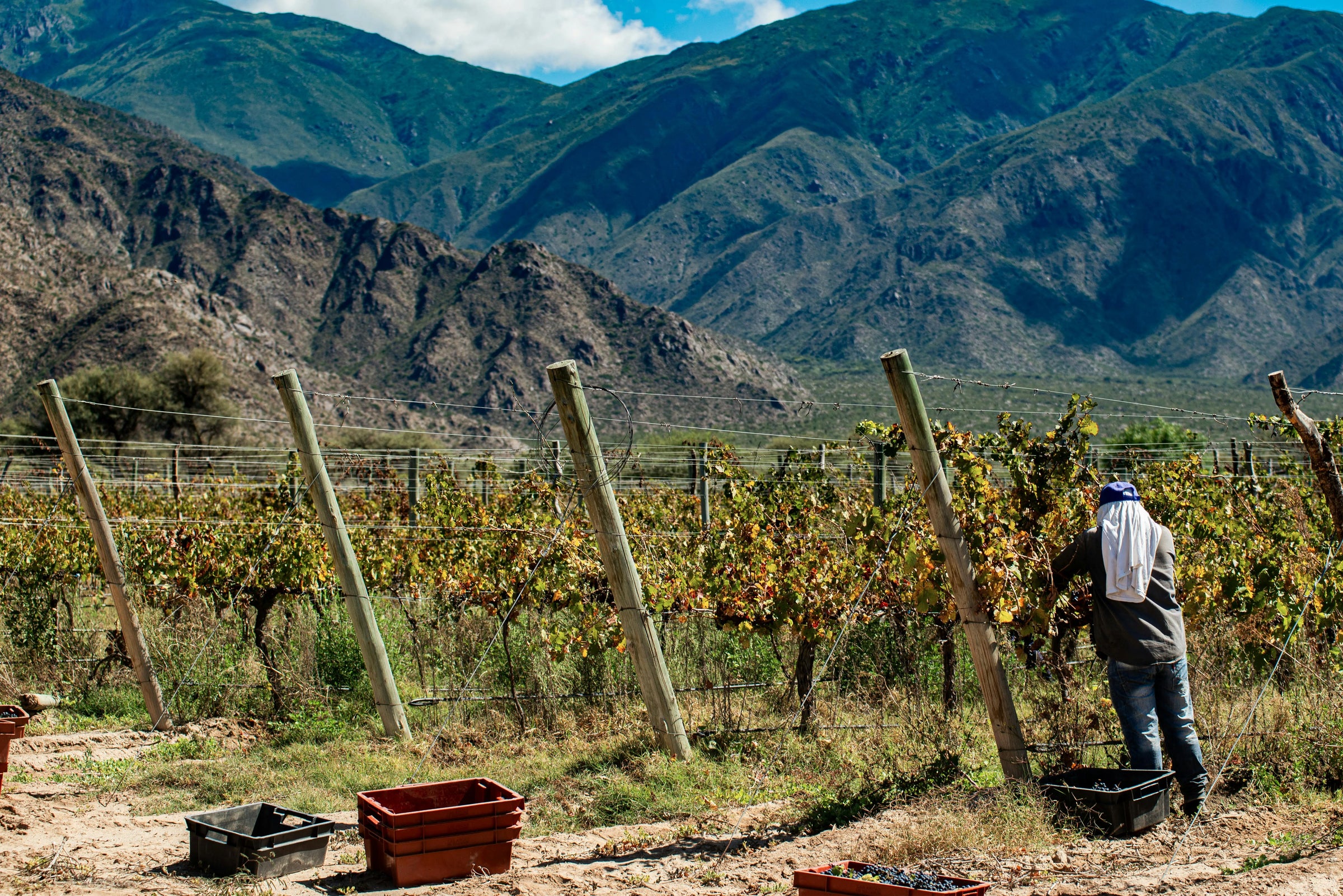
Argentine Red Wines: Power and Elegance from the Andes
Argentina has established itself as a leading wine-producing nation of the New World, winning over red wine lovers with its unique blend of bold aromatics, generous structure, and the freshness imparted by high-altitude vineyards. A marriage of European tradition and South American innovation, Argentine vineyards offer a remarkable range of red wines waiting to be discovered.
Malbec: The Red Icon of Argentina
A Viticultural Success Story
Malbec symbolizes the revival of Argentine viticulture. Originally from southwest France, where it’s known as Côt, Malbec has found its ideal home in the Andean highlands. Its story in Argentina began in the 19th century, when French agronomist Michel Pouget introduced it to Mendoza.
Once mainly used for blending, Malbec experienced a renaissance in the 1990s when visionary winemakers like Nicolás Catena explored its high-altitude potential.
Key Characteristics and Styles
Malbec from Argentina stands out for:
- Color: Deep and almost violet, reflecting high anthocyanin content
- Aromas: Ripe black fruits (blackberry, blueberry), plum, violet, often with notes of vanilla and chocolate when oak-aged
- Structure: Silky tannins, smooth mouthfeel, and balanced richness
- Aging potential: 3–5 years for everyday wines, up to 10–15 years for premium bottlings
Regions like Uco Valley, Vista Flores, and Gualtallary are now producing world-class Malbecs that can stand alongside the finest international reds.
Bonarda: Argentina’s Hidden Gem
As Argentina’s second-most planted red grape, Bonarda remains a well-kept secret internationally. Originally from Italy (where it’s known as Douce Noire or Charbono), it has thrived in Argentina’s terroir.
Unlike Malbec, Bonarda produces more approachable, fruit-forward wines:
- Aromatics: Fresh red fruits (raspberry, redcurrant), floral and spicy notes
- On the palate: Juicy, smooth, with refreshing acidity
- Food pairings: Versatile—great with grilled vegetables, Mediterranean dishes, or roast chicken
Cabernet Sauvignon: Altitude Meets Excellence
Among the international grapes that flourish in Argentina, Cabernet Sauvignon is a standout. Grown primarily in Mendoza and Cafayate (Salta), it develops a distinctive profile:
- Nose: Blackcurrant, black cherry, herbal and spicy nuances
- Palate: Firm tannic structure with a refined, velvety finish
- Argentine twist: Riper fruit character and softer texture than many other global expressions
Exceptional Blends: A Showcase of Terroir
While single-varietal wines have made Argentina famous, many of its greatest wines come from blends that highlight the country’s viticultural finesse:
- Bordeaux-style blends: Combining Malbec, Cabernet Sauvignon, Merlot, and sometimes Petit Verdot—like the renowned Cheval des Andes, a collaboration between Château Cheval Blanc and Terrazas de los Andes
- Mediterranean blends: Malbec with Syrah or Grenache, yielding spicy, sun-drenched wines
- Innovative cuvées: Featuring Petit Verdot or Cabernet Franc, grapes that thrive in Argentina’s unique conditions
These blends reflect the evolving expertise of Argentine winemakers and the expressive depth of their terroirs.
Unique Terroirs Defined by Altitude
Altitude is the defining factor in Argentina’s viticulture, with vineyards ranging from 800 to over 3,000 meters above sea level. These conditions provide:
- Intense sunlight: Leading to rich aromas and full phenolic ripeness
- Cool nights: Preserving acidity and freshness
- Thermal amplitude: Up to 20°C difference between day and night, ideal for complexity and balance
Soil and Regional Diversity
The depth and diversity of Argentine reds also come from its varied soils and regions:
- Mendoza: The heart of Argentine wine, with sub-regions like Luján de Cuyo (alluvial soils) and Uco Valley (rocky, well-drained terroirs)
- Salta/Cafayate: Northern regions with extreme altitudes (up to 3,000 meters) producing wines with intensity and brightness
- Patagonia: Cooler southern region yielding refined, elegant wines with subtle complexity
Food Pairings: A Perfect Match at the Table
Argentine red wines are incredibly food-friendly:
- With Malbec: Classic asado (Argentine BBQ), ribeye, or duck breast with berry glaze
- With Bonarda: Roast poultry, pasta dishes, or mushroom pizza
- With Cabernet Sauvignon: Game meats, herb-crusted lamb, aged cheeses
- With premium blends: Pair with rich stews, grilled meats, or gourmet vegetarian dishes
Whether you’re new to Argentine wines or a seasoned enthusiast, there’s always a new layer of flavor and character to uncover in this extraordinary wine country.
Return to our collection of Argentine wines.