

2 products
Livraison offerte en France (1ère commande ou dès 150€)
Livraison gratuite sur votre première commande, sinon offerte à partir de 150€ en France.
Alpilles wines still remain relatively undiscovered, overshadowed by the more famous crus of Provence. However, they thoroughly deserve to be discovered and appreciated at their true value. Whether you're a fan of powerful red wines, light rosés, or refreshing whites, the Alpilles have something to surprise and seduce you.
Nestled in the heart of Provence, among century-old olive trees, lavender fields, and limestone hills, the Alpilles massif is a region that immediately evokes enchanting landscapes and deep cultural richness. But beyond its breathtaking panoramas, this region is also the cradle of an undiscovered yet fascinating wine heritage: Alpilles wine. A wine that, like its terroir, is imbued with character, authenticity, and sunshine.
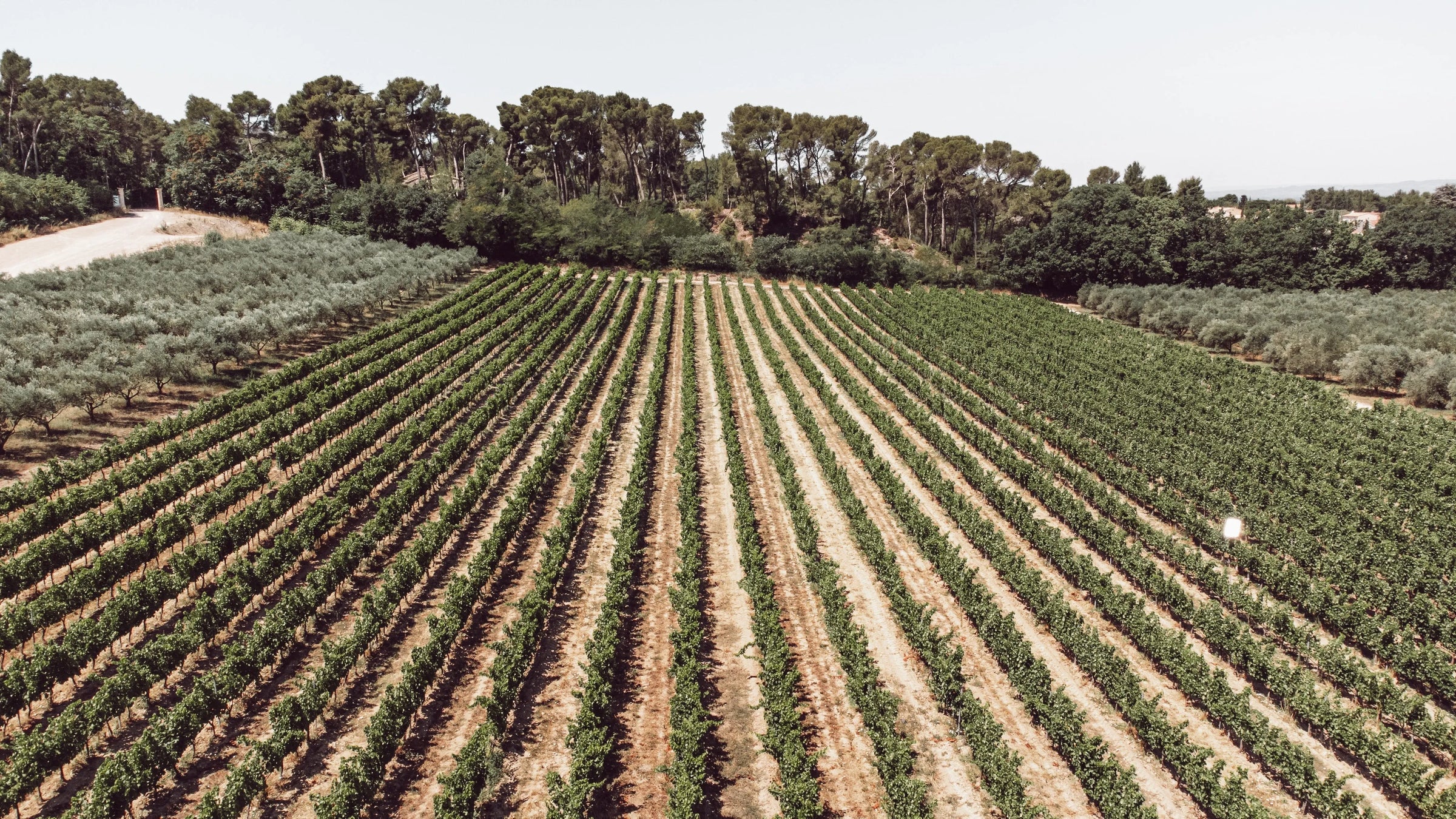
The Alpilles, a small mountain range located between Arles and Avignon, offer an exceptional terroir for viticulture. The soils, mainly composed of limestone and stones, are perfect for growing vines. They allow good drainage and retain the sun's heat, essential for grape ripening. The Mediterranean climate, with its hot, dry summers and mild winters, is ideal for producing balanced wines, rich in aromas and freshness. The Alpilles vineyards extend over well-exposed slopes, benefiting from the winds that sweep the region, like the famous mistral. This sometimes dreaded wind plays a crucial role in keeping the vines healthy and limiting diseases, thus allowing often organic or sustainable viticulture.
Alpilles wines are mainly red and rosé, although some whites are also produced. Traditional Provençal grape varieties dominate, with Grenache, Syrah, and Mourvèdre leading for reds and rosés, and Rolle (or Vermentino) for whites. These grape varieties, perfectly adapted to the region's climate and soils, give expressive, fruity, and spicy wines. Grenache brings roundness and generosity, while Syrah offers structure and complexity.
Mourvèdre, for its part, brings notes of black fruits and spices, as well as a good aging capacity. For rosés, these grape varieties harmoniously blend to create light, fresh, and aromatic wines, perfect for accompanying Mediterranean flavors.
What makes Alpilles wine so special is also the commitment of the winemakers who produce it. Many estates are family-owned, passed down from generation to generation, and winemakers work passionately to preserve the authenticity of their wines while innovating to meet the expectations of modern enthusiasts. Some estates have turned to organic or biodynamic agriculture, respecting nature and terroir. Others experiment with forgotten grape varieties or traditional winemaking methods, such as amphora aging. These varied approaches contribute to the richness and diversity of Alpilles wines.
Tasting an Alpilles wine is much more than savoring a beverage: it's embarking on a sensory journey through Provence. The reds, often fleshy and generous, evoke aromas of ripe fruits, garrigue, and spices. They pair perfectly with Provençal dishes, such as leg of lamb with herbs of Provence or a traditional daube. The rosés, for their part, are fresh and lively, with notes of red fruits, citrus, and white flowers. They are ideal for accompanying a summer salad, grilled meats, or simply to be enjoyed as an aperitif, facing the sunset over the Alpilles. As for the whites, rarer but just as interesting, they offer mineral and floral profiles, perfect for accompanying Mediterranean fish or local goat cheeses.
Return to the Provence wines
page.
Le vignoble des Alpilles se situe en Provence, sur un petit massif montagneux entre Arles et Avignon, sur des sols principalement composés de calcaire et de cailloux.
Le mistral assainit les vignes et limite les maladies, ce qui favorise une viticulture souvent biologique ou raisonnée dans les Alpilles.
Les vins rouges et rosés des Alpilles sont principalement issus du Grenache, de la Syrah et du Mourvèdre, des cépages traditionnels de Provence, ainsi que du Cabernet Sauvignon, une particularité locale.
Surtout du Rolle, aussi appelé Vermentino, souvent avec la Clairette, le Grenache blanc ou la Roussanne.
Certains domaines des Alpilles se sont tournés vers l'agriculture biologique ou biodynamique, tandis que d'autres expérimentent des méthodes traditionnelles comme l'élevage en amphore.
Les vins rouges des Alpilles, charnus et généreux, s'accordent avec des plats provençaux comme un gigot d'agneau aux herbes de Provence ou une daube traditionnelle.
Les rosés des Alpilles, frais et vifs, sont idéaux avec une salade estivale, des grillades, ou simplement à l'apéritif.

L'abus d'alcool es dangereux pour la santé, sachez consommer avec modération

