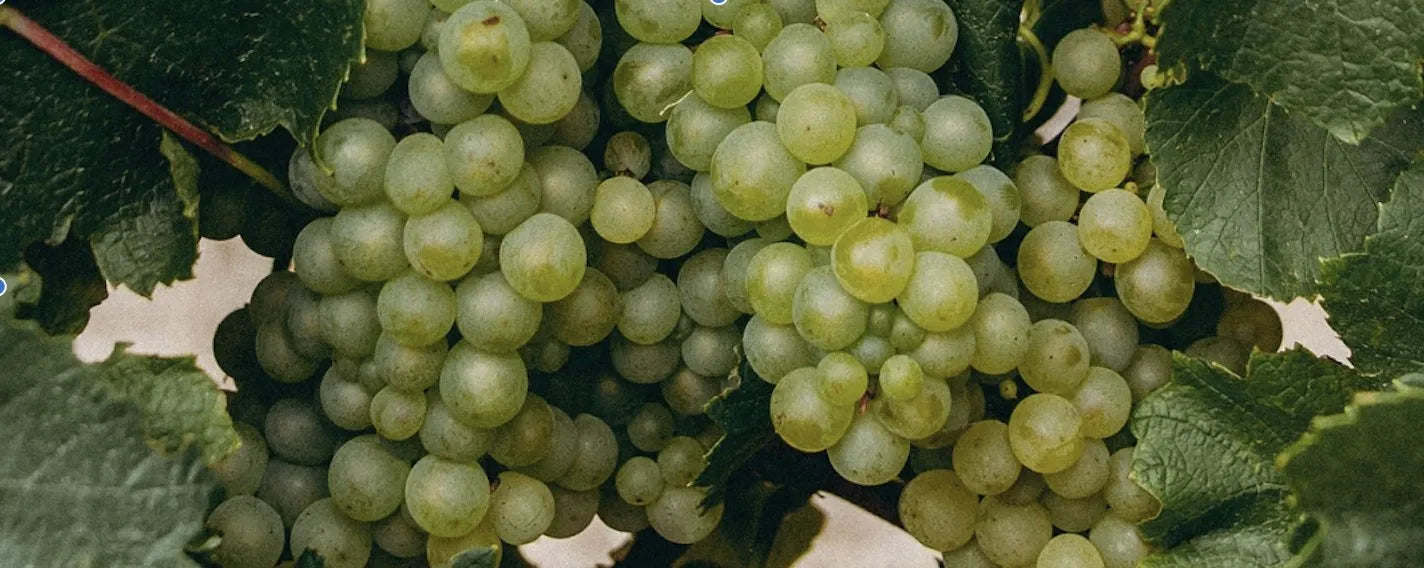
Sauvignon Blanc, an emblematic grape variety of dry white wines, captivates with its aromatic diversity and its ability to thrive in various terroirs around the world. Originating from the Loire Valley in France, this grape has successfully spread to several prestigious wine regions, significantly impacting the contemporary wine world.
Sauvignon Blanc makes a statement from the first sip. Lively, expressive, and dry, it evokes joy and sunny days: from seafood platters by the seaside to picnics on grass dotted with red-checkered blankets. With it, every glass breathes freshness. This grape variety unfolds floral aromas like boxwood and jasmine, complemented by citrus notes such as grapefruit, bergamot, and lemon. Whether vinified alone or blended with other grapes, like its relative Sémillon, it always brings a cheerful acidic touch.
Characteristics and Origins
Sauvignon Blanc is renowned for its intense and varied aromas that often include notes of tropical fruits, lime, grapefruit, and sometimes even boxwood or green pepper, depending on the terroir and vinification techniques used. This grape has deep roots in the Loire Valley, where it produces renowned wines under the Sancerre appellation. Sancerre wines are distinguished by their mineral freshness and lively acidity, making them excellent companions for local seafood and goat cheeses.
The Great Sauvignons of the World
Beyond France, Sauvignon Blanc has conquered other notable terroirs around the globe. New Zealand, particularly the Marlborough region, has emerged as a major reference for Sauvignon Blanc wines. New Zealand wines, often referred to as "Savvy B," are renowned for their intense tropical fruit aromas and refreshing acidity. Marlborough, with its cool climate and mineral-rich soils, produces Sauvignon Blancs that redefine the standards of the grape variety, sometimes even eclipsing the traditional productions of Sancerre and Bordeaux.
The Price of Sauvignon Blanc
The price varies considerably depending on its origin, reputation, and the perceived quality of the vineyard. Sauvignon Blanc wines from New Zealand, especially those from Marlborough, can be more expensive due to their international reputation and the growing demand for these fruity and vibrant wines. Conversely, those from less renowned regions or new producers can offer excellent value for their quality.
Main Food and Wine Pairings
Sauvignon Blancs are often appreciated for their gastronomic versatility. Their lively acidity and pronounced aromas make them ideal partners for a variety of dishes. In New Zealand, Marlborough Sauvignon Blancs pair perfectly with fresh seafood such as oysters and mussels, while their French counterparts from Sancerre complement local goat cheeses and seasonal salads.
Sauvignon Blanc continues to evolve and reinvent itself around the world, from the banks of the Loire to the sunny vineyards of New Zealand. This versatile grape perfectly illustrates the wine's ability to capture terroir and climate, offering a diverse palette of flavors and aromas that captivate wine enthusiasts globally. Whether for its fruity and refreshing character or its mineral complexity, Sauvignon Blanc remains an essential reference in the landscape of contemporary dry white wines.
For more information, check out our list of grape varieties!